Greece is a country rich in history, culture, and timeless traditions. From ancient times to modern-day celebrations, festivals in Greece have always been a significant part of life. Whether it’s a religious holiday, a tribute to the arts, or a celebration of local customs, these festivals bring together people from all walks of life. Visitors to Greece can expect a unique blend of ancient rituals, lively music, dance, and delicious food at each event.
Greek festivals are more than just events—they are a living testament to the country’s rich heritage and religious devotion. From the solemnity of Orthodox Easter to the festive celebrations of local customs, these festivals offer an exciting opportunity for both locals and tourists to engage with the essence of Greek tradition. The variety of festivals across the country also reflects the diversity of regions and communities. Let’s dive into some of the most popular and unique Greek festivals.
Orthodox Easter is undoubtedly the most significant religious event in Greece, marking the resurrection of Jesus Christ. The celebrations span an entire week, with each day bringing a new tradition or religious ritual. Holy Week begins with Palm Sunday and culminates on Easter Sunday with grand celebrations.
The most famous part of the Easter festivities takes place on Holy Saturday night, when the entire nation gathers for midnight church services. The streets are filled with the light of candles as the church bells ring in unison, signaling the resurrection. People greet each other with “Christos Anesti” (Christ is Risen), followed by a festive meal of lamb and the iconic Easter bread, tsoureki, often decorated with a red egg symbolizing Christ’s blood.
In the days leading up to Easter, towns and villages are filled with preparations, with locals baking traditional pastries, preparing for the big feast, and enjoying fireworks displays. Orthodox Easter in Greece is a celebration of both faith and community, with a strong emphasis on family gatherings and feasting.
Celebrated on January 6th, Epiphany in Greece marks the baptism of Christ in the River Jordan. The most striking celebration of this religious festival takes place in the port city of Piraeus, Athens, where a local priest throws a cross into the sea. Young men dive into the freezing waters in a race to retrieve the cross, a symbolic act of purification.
This tradition is repeated in villages and islands throughout Greece, where locals and tourists alike can witness the religious ceremony. The festive atmosphere is enhanced by music, dancing, and traditional food, making Epiphany a unique experience for visitors to Greece during the winter season.
For lovers of ancient drama and Greek history, the Epidaurus Festival offers an unparalleled experience. Held in the ancient theater of Epidaurus, this festival celebrates the legacy of Greek theater and its timeless contributions to Western culture. The performances take place every summer, typically from June to August, in one of the best-preserved ancient theaters in the world.
The festival features classic Greek tragedies and comedies, including works by playwrights like Sophocles, Euripides, and Aristophanes. The setting itself—a remarkable ancient theater with incredible acoustics—adds an extraordinary atmosphere to each performance. Whether you’re an avid theatergoer or a first-time visitor, the Epidaurus Festival is a must-see event for anyone visiting Greece during the summer.
Aegina, a small island near Athens, is famous for its pistachios, and every September, the Aegina Fistiki Festival celebrates this beloved nut. The festival takes place in the heart of the pistachio harvest season, when the island is buzzing with activities and events focused on the nut.
Visitors can enjoy pistachio-based delicacies like ice cream, sweets, and savory dishes. The island’s streets are lined with market stalls selling pistachio products, while local vendors and artisans showcase their goods. In addition to the food, there are cultural performances, music, and folk dances, giving visitors an authentic taste of Greek island life. The festival is a delightful mix of gastronomy, culture, and local pride.
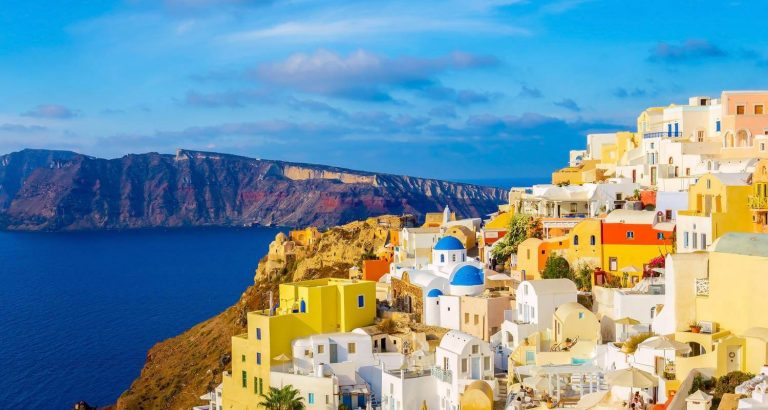
Santorini, famous for its breathtaking sunsets and volcanic landscapes, also hosts the Ifestia Festival every September. This festival celebrates the island’s volcanic heritage, particularly the eruption of the Santorini volcano in 1646 BC, which dramatically shaped the island’s landscape.
The Ifestia Festival features an exciting array of events, including live music, performances, and one of the most spectacular fireworks displays you will ever witness. The highlight of the festival is the fireworks show, which mimics a volcanic eruption, complete with light, sound, and smoke effects that represent the flow of lava and the eruption itself. The festival provides a mesmerizing visual experience against the backdrop of Santorini’s stunning caldera and crystal-clear waters.
The Carnival of Corfu is one of Greece’s most colorful and energetic festivals. Held annually before Lent, usually in February or March, this carnival has a long history, influenced by the Venetian occupation of the island. The festivities resemble the famous Carnival of Venice, with grand parades, masquerades, and elaborate costumes.
The streets of Corfu come alive with vibrant processions, dancers, and music. One of the most memorable events is the Great Parade, where locals dress in masks and traditional Venetian attire. The festival ends with the burning of a symbolic effigy known as the “King of Carnival,” which represents the sins of the people. The Carnival of Corfu is a perfect blend of Greek traditions and Venetian influence, offering visitors a truly unforgettable experience.
The Athens Marathon, held every November, is an iconic event that commemorates the ancient Greek legend of Pheidippides, the soldier who ran from the battlefield of Marathon to Athens to announce the Greek victory over the Persians. The marathon route follows his legendary path, making it a significant event for both runners and spectators.
Participants from around the world flock to Athens to run this historic course, which stretches over 42 kilometers (26 miles). The marathon culminates in the heart of Athens, at the Panathenaic Stadium, where the ancient Olympic Games were held. The Athens Marathon is a testament to the endurance and spirit of ancient Greece, and it’s a must-attend event for sports enthusiasts and history buffs alike.
Conclusion
Festivals in Greece are a vibrant reflection of the country’s deep-rooted cultural and religious heritage. From the solemnity of Orthodox Easter to the lively Carnival of Corfu, each festival offers a unique glimpse into the heart of Greek life. Whether you’re exploring the ancient ruins of Epidaurus, enjoying the delicious pistachios of Aegina, or witnessing the volcanic fireworks of Santorini, there’s a festival for every interest and every season in Greece. So, pack your bags and immerse yourself in the world of Greek festivals, where history, culture, and celebration come together in spectacular fashion.